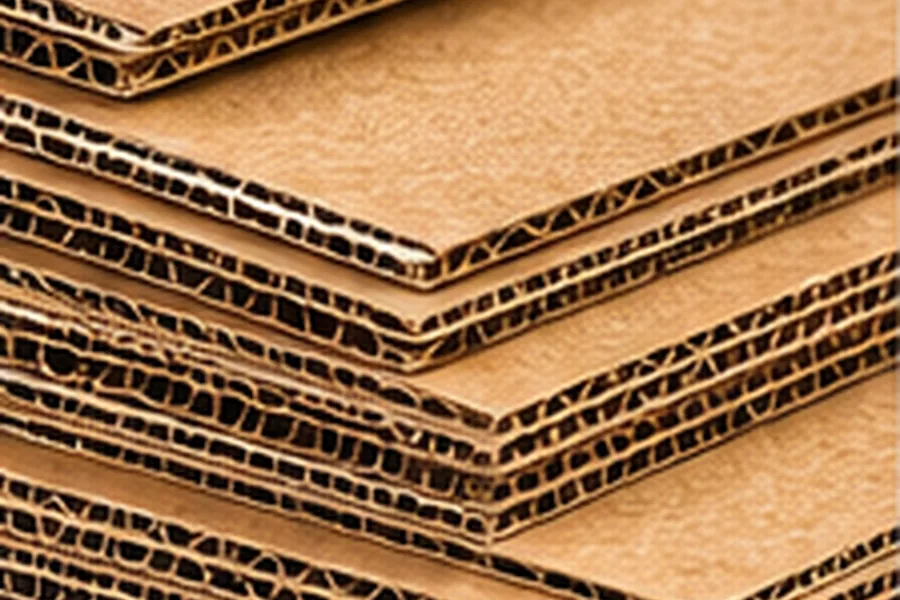
Porous Materials
Corrugated cartons, kraft paper and unfinished wood can absorb ink. Water-based porous inks, hand stamps, roller coders and stencil systems may be suitable, depending on print size and handling.
The best way to mark a product starts with its surface. A method that works on corrugated cardboard may smear on plastic or glass. Explore common materials, compatible marking technologies and the practical questions that help narrow the choice.
Most industrial marking applications begin with a distinction between porous and nonporous materials. This is a useful starting point, not a substitute for testing ink on the actual surface.
Corrugated cartons, kraft paper and unfinished wood can absorb ink. Water-based porous inks, hand stamps, roller coders and stencil systems may be suitable, depending on print size and handling.

Plastic, glass, metal and coated surfaces generally need inks formulated to adhere and dry on nonabsorbent substrates. Solvent-based inkjet and specialty markers are common options; compatibility varies by formulation.
These are representative marking methods, not guaranteed matches for every product.
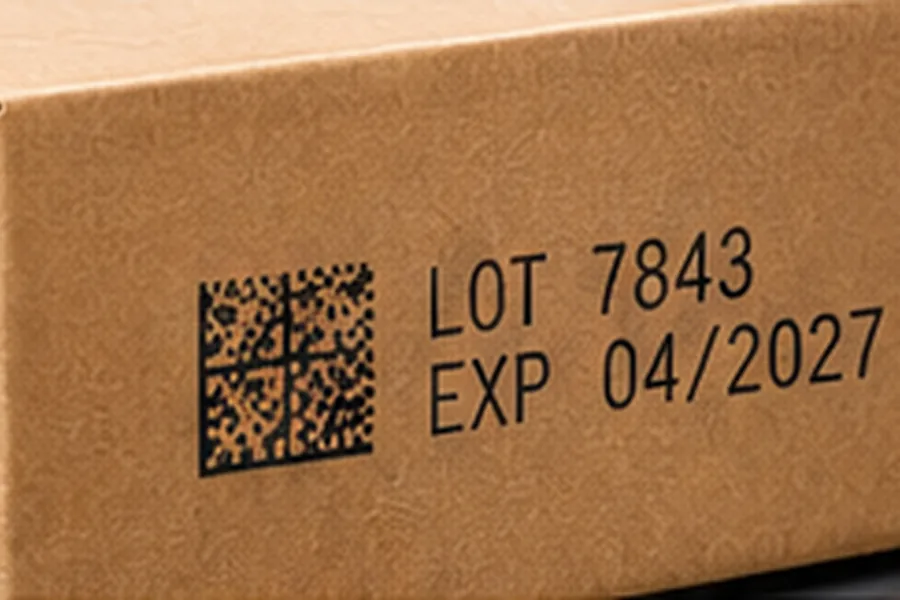
Shipping boxes, kraft paper, paper bags and other absorbent packaging.
Consider print size, carton coating, handling and whether codes change frequently.
Explore marking equipment →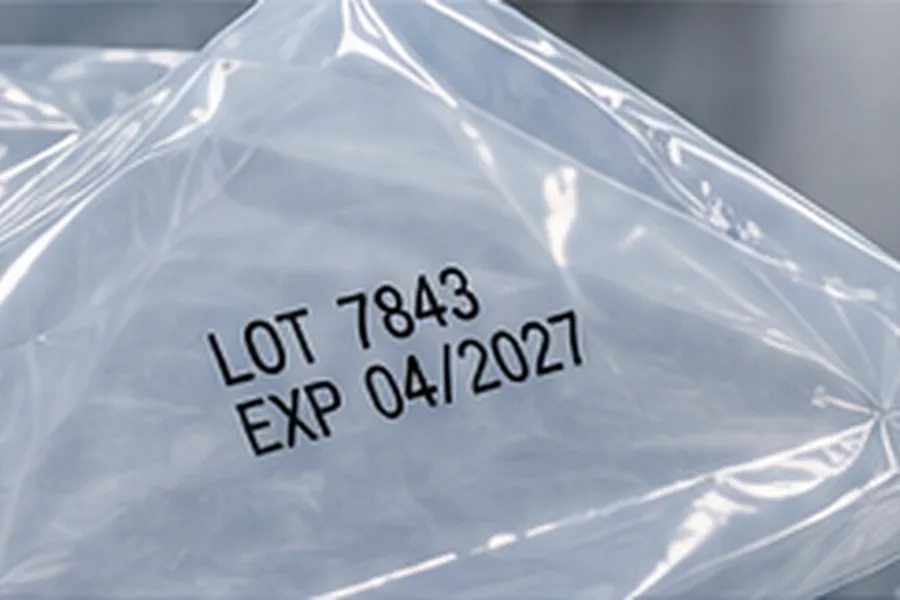
Poly bags, shrink film, plastic bottles, rigid containers and flexible packaging.
Different plastics and treatments behave differently. Verify adhesion, drying, rub resistance and film movement.
Explore coding options →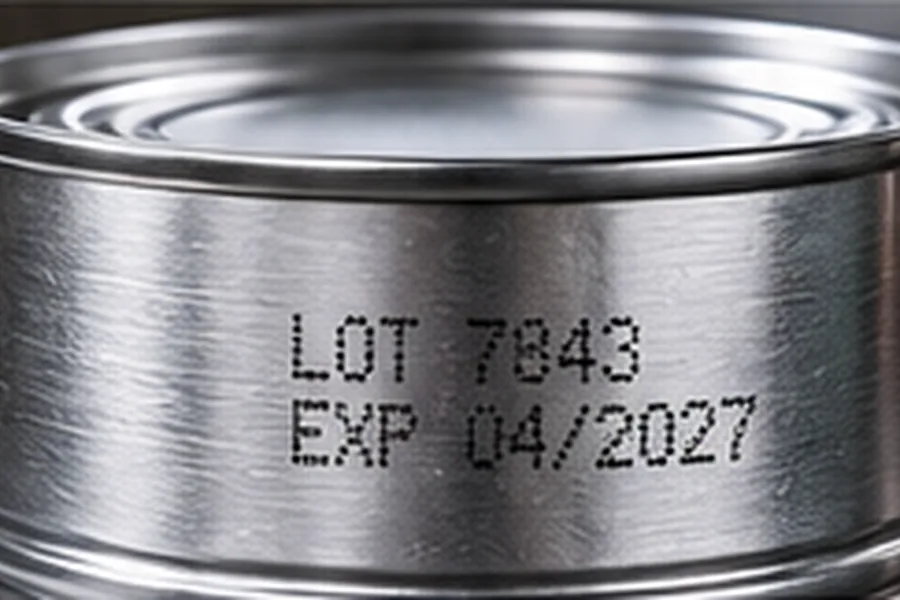
Cans, drums, fabricated components, parts and coated metal surfaces.
Surface finish, oil residue, curing, heat and abrasion can affect durability.
Explore marking supplies →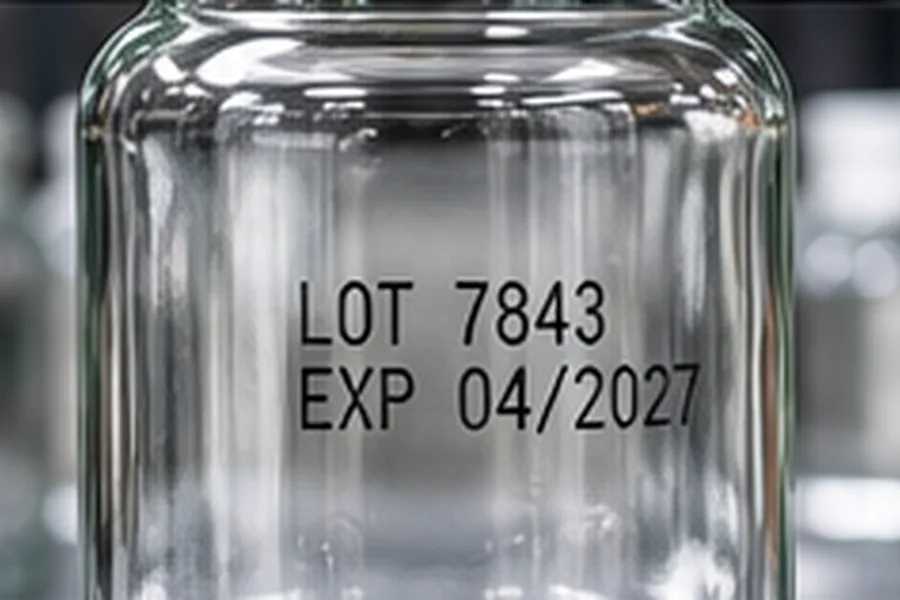
Glass bottles, jars and ceramic products needing batch, date or identification marks.
Check condensation, washing, sterilization and resistance to scuffing.
Explore coding options →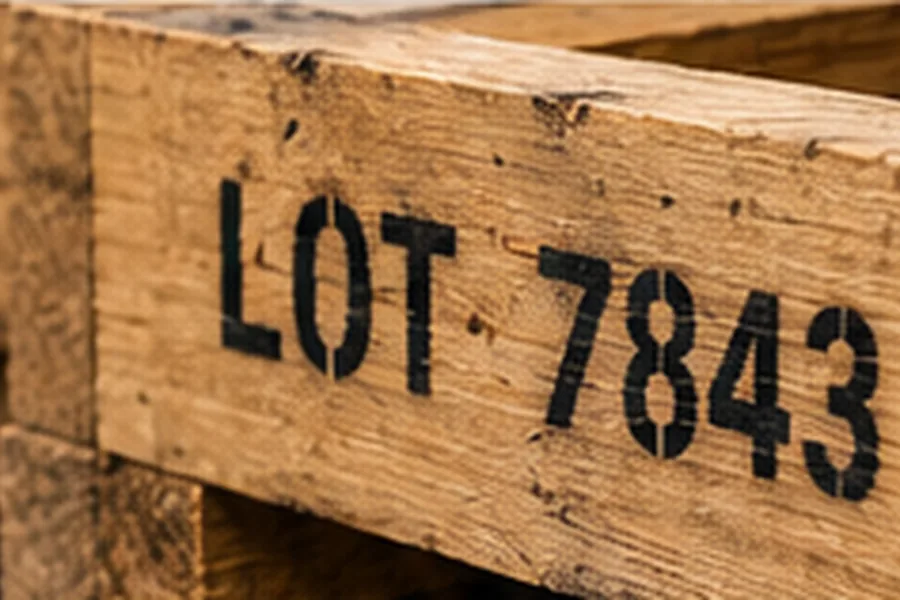
Pallets, crates, timber, rough lumber and unfinished wooden products.
Roughness, moisture and wood treatment influence print clarity and durability.
Explore marking equipment →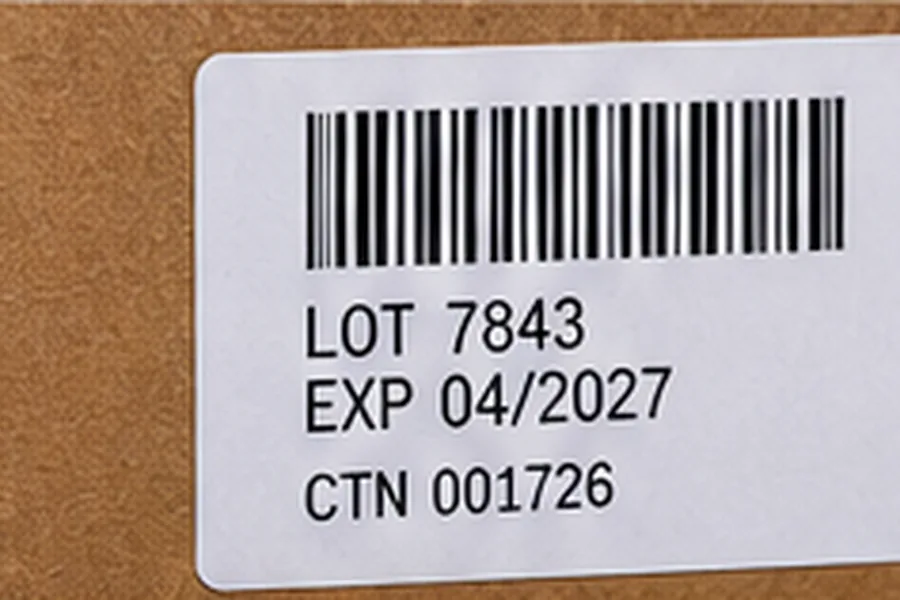
Product identification labels, cartons, pouches and short-run packaging.
Choose between printing directly on the package and applying a label based on material, information and production workflow.
Explore equipment →For a useful recommendation, identify the exact material, whether it is coated or treated, the code size and content, how many products you mark, whether products move on a conveyor, and how durable the mark must be. Photos or samples of the product can help.
Also explore marking by production level or marking technologies.
Contact Pro Pack Solutions →